Commercial Ceiling Fan: A Complete Guide for Smart Buyers
In the world of climate control, Commercial Ceiling Fan are silent heroes. They quietly move huge volumes of air, save energy, and make large spaces comfortable without breaking the bank. In this article, we’ll explain what these fans are, why they matter, and how to choose the right one for your space. We’ll keep explanations clear, crisp, and backed by real data so that you impress your readers and search engines alike.
What Exactly Is a Commercial Ceiling Fan?
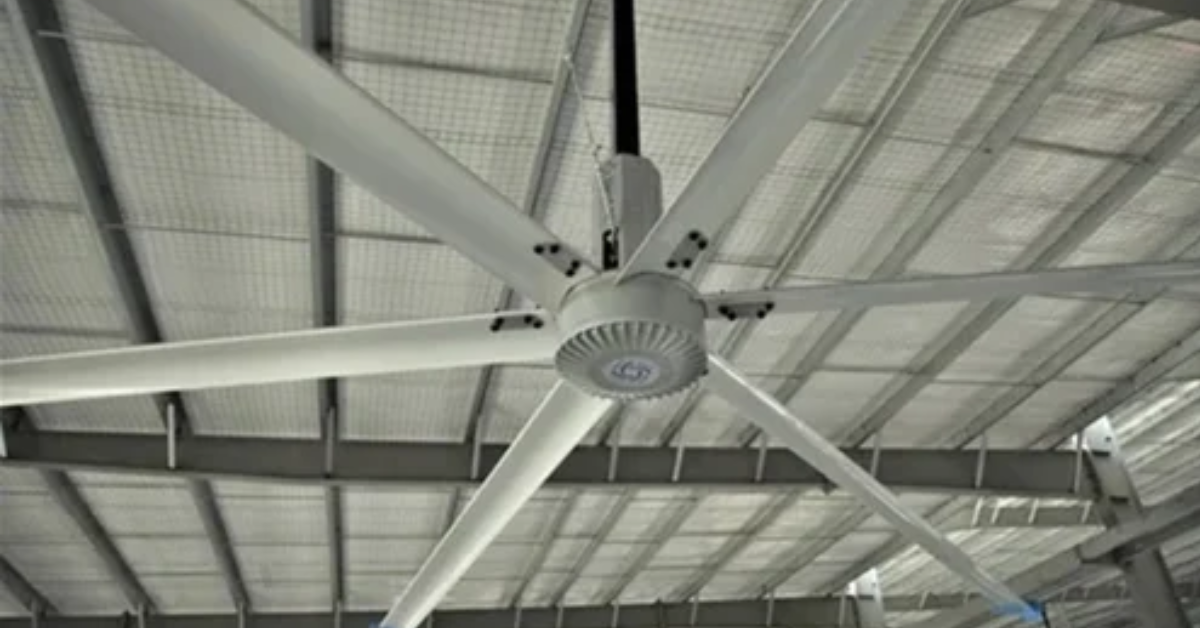
At its core, a commercial ceiling fan is a fan mounted horizontally on the ceiling to push air throughout a large indoor or semi‑outdoor space. Unlike small home fans, these are built for big areas like warehouses, retail stores, hotels, factories, and event halls. They can come with blades ranging from a few feet in diameter to massive 24‑foot spans.
A fun fact: ceiling fans don’t actually lower the air temperature. Instead, they create a cooling effect by increasing airflow and encouraging sweat evaporation, which your skin interprets as cooler air.
Why Do Businesses Use Commercial Ceiling Fans?
You might wonder why a business would choose giant spinning blades over good old air conditioning. Let’s break down the logic without turning your head into a wind tunnel.
1. Huge Energy Savings
Commercial spaces often rely on costly heating, ventilation, and air conditioning (HVAC) systems. Ceiling fans reduce that load by mixing the air efficiently. Fans can reduce HVAC energy costs by up to 30–50%, thanks to better circulation and reduced demand on air conditioning units.
Running a commercial fan is far cheaper than running big AC units. Some industrial fans consume as little as a few hundred watts to circulate air across thousands of square feet.
2. Better Air Quality and Comfort
Stagnant air collects smells, moisture, dust, and even mold. Commercial fans move air continuously, preventing those issues. Good airflow in offices or retail environments makes people feel more comfortable, stay focused, and even enjoy longer visits.
In warehouses and factories, this benefit isn’t just about comfort—it’s about safety.
3. Lower Operating and Maintenance Costs
Mechanical breakdowns are far less common with fans than with complex HVAC systems. Fans have fewer parts, and many commercial fans are built tough with industrial‑grade materials designed to resist dust and corrosion.
No one enjoys service calls every month, so less maintenance means smoother budgets and fewer surprises.
4. Environmental Impact and Green Building Standards
Because these fans use less energy and help systems run more efficiently, they can contribute to meeting green building standards and possibly qualify for energy incentives or rebates in eco‑friendly projects.
How Commercial Ceiling Fans Work
Now let’s get into the nuts and bolts—without the engineering degree.
Big Blades, Big Airflow
Blades on commercial fans can be massive. Wider blade spans mean more air movement over large areas. A typical commercial design might range anywhere from 48 inches to over 100 inches in diameter.
These fans don’t spin fast. They move slowly but powerfully, creating a broad cushion of air that circulates evenly throughout the space.
HVLS Technology: The Real Star
High‑Volume Low‑Speed (HVLS) fans are a common type in commercial applications. They operate at low speeds but push massive amounts of air. The secret is in the large, aerodynamic blades and powerful motors.
From gyms to logistics centers, HVLS fans are cost‑effective alternatives that complement traditional cooling systems.
Smart Control and Integration
Modern commercial fans increasingly come with smart integration features. Some can connect with building management systems (BMS), adjust speed based on temperature, and even link to remote controls for easy operation.
This means less manual tinkering and more precise environmental control—almost like having a tiny meteorologist in your ceiling.
Choosing the Right Commercial Ceiling Fan
Not all fans are equal, and choosing the wrong one can feel like buying shoes two sizes too small—awkward and costly.
Here’s how to make a smart choice:
Understand Your Space
Measure the area you want to cool. Smaller commercial spaces may do fine with fans around 8–12 feet in diameter, whereas larger facilities often require 14–24 feet fans depending on square footage.
This might sound obvious, but it’s a common mistake to pick a fan that’s too small and watch it spin helplessly while your space remains muggy.
Match Fan Size to Ceiling Height
Floor to ceiling distance matters. Fans should be installed high enough to avoid creating uncomfortable gusts near people’s heads. Spaces with sloped or tall ceilings may need special mounting kits.
Focus on Airflow, Not Just Size
Airflow is often measured in CFM (cubic feet per minute). A higher CFM means more air movement. But more importantly, choose fans tested to industry standards so you know airflow numbers are reliable.
Energy Efficiency and Long‑Term Value
Look for fans with energy‑efficient motors. DC motors are more efficient than older AC models, often using significantly less electricity for the same performance.
Energy‑efficient models also typically last longer and cost less to operate in the long run.
Noise Level Matters
Quiet operation isn’t a luxury—especially in places like retail stores or offices. Good commercial fans should run smoothly and quietly so they don’t become background noise you notice every time a client walks in.
Commercial Ceiling Fans vs Traditional Cooling
Here’s the simple, human explanation: it’s not fans or air conditioning. In most commercial spaces, combining ceiling fans with HVAC systems gives the best results.
Fans improve airflow and reduce hot or cold pockets, helping expensive systems work smarter, not harder. That’s a win for budgets and comfort alike.
Real Benefits You’ll Notice
By choosing commercial ceiling fans smartly, you’ll likely enjoy:
-
Lower utility bills because HVAC systems work less hard.
-
Better working conditions that keep employees and customers comfortable.
-
More even air distribution, avoiding hot or cold spots.
-
Equipment that lasts with lower maintenance needs.
And yes, sometimes your team might actually enjoy walking under a giant fan—after all, who doesn’t like a cool breeze on a warm day?
Common Mistakes to Avoid
Even smart buyers trip up sometimes. Here are a few common pitfalls:
-
Ignoring airflow data: Big blades are nice, but real performance is better judged by airflow efficiency statistics.
-
Overlooking warranty and support: Good commercial fans come with solid warranties and support.
-
Choosing purely on price: Cheaper upfront doesn’t always mean cheaper long‑term. Efficiency and durability matter.
Final Thoughts
Choosing the right commercial ceiling fan can be one of the most cost‑effective decisions you make for a large space. These fans improve comfort, enhance air quality, and reduce energy costs without the maintenance burden of complex mechanical systems.
From warehouses to stores to sports halls, big fans bring big benefits. So take your time picking the right model, match it to your space, and you’ll create an environment people enjoy—no sweat.
If you want efficiency and comfort that makes people say “Ah, that’s a nice breeze,” commercial ceiling fans are a smart way to deliver it.
Our More Pages
https://medium.com/@evelsingaporeofficial/industrial-ventilation-fan-singapore-enhancing-air-quality-and-efficiency-c1834cb3f5a8
https://medium.com/@evelsingaporeofficial/industrial-ceiling-fan-singapore-the-ultimate-guide-for-efficient-cooling-dc4a5002ca65
https://justpaste.it/jpmrw
https://justpaste.it/jon26
https://evelsingapore.livepositively.com/industrial-fan-singapore-the-ultimate-guide-to-choosing-the-right-industrial-fan